Memory
This is a story about Memory. It is about Human memory and how it differs from Artificial memory. It is something only humans will remember.

Context Window
I arrived an hour late to my middle school friend’s fifty-first birthday party, which felt appropriate, since I’d missed his fiftieth — the half-life party — entirely.
Traffic. Always traffic. The excuse that’s almost always true.
The party was in a pub. Dim lights. Loud enough to forgive silences. On the way there, expectations had been carefully planted.
“Wait until you see the old crowd,” someone texted.
“Everyone looks different.”
That sentence followed me inside like a warning label.
The first people I saw were a group of women near the entry. I didn’t recognize a single one of them.
Then one waved.
She smiled like she knew me. Like she expected me to know her.
I didn’t.
For a brief, uncomfortable moment, my brain flipped pages at impossible speed. Lockers. Classrooms. Names without faces.
Nothing.
I looked at my wife.
“Go say hello,” she said. “Your school friends.”
In Brazil, you don’t wave hello. You kiss. So I leaned in, kissed strangers on the cheek, smiled, laughed when they laughed — waiting for memory to arrive late, like I had.
It didn’t.
Two of them said my name easily, confidently, like it still belonged to me.
Then it hit.
Not slowly. All at once.
They weren’t from school.
One I worked with early in my career. The other is our neighbor. Our kids play together. I’ve borrowed tools from her husband.
I turned to my wife and laughed — relief spilling out of me.
“They’re not from school,” I said.
In the future, if I were a robot, this moment would never have happened.
An AI would have recognized them instantly. Faces matched to names. Names matched to shared context. A perfect greeting. No panic. No embarrassment.
But also no feeling.
No moment when the heart stumbles before the mind catches up.
Spaces shrink as we grow older
A few weeks later, I sat by a pool with my son.
The last time we’d been there, he was six or seven. Small enough that I worried constantly. About water. About edges. About futures.
My nephew jumped in, sending water everywhere.
My son stared.
“Dad,” he said, confused, “did they rebuild this place?”
“No,” I said. “Why?”
“The pool on the left used to be huge,” he said. “Bigger than the other one.”
It wasn’t.
Nothing had changed.
Except him.
I remembered thinking the same thing as a child. Parks shrinking. Houses compressing. Worlds quietly scaling down as we grow into them.
A robot would never experience this.
Pools do not change size in memory banks.
Human memory doesn’t store reality.
It reshapes it.
Fading
Once, years ago, I was in a taxi with two colleagues when men with guns appeared at the window.
“Wallets. Phones. Now.”
A week later, we identified the suspects easily.
Three years later, we struggled.
One face blurred. Another detail moved seats. Confidence eroded.
A friend testified he had been sitting in the back seat.
I was sure he’d been in the front.
A robot would remember exactly.
Humans remember meaning, not pixels.
Parroting
Charlie Munger liked to tell a story about Max Planck.
After winning the Nobel Prize, Planck toured Germany giving the same lecture on quantum mechanics. Over time, his chauffeur memorized it word for word.
One night, bored of routine, they switched roles. The chauffeur delivered the lecture flawlessly. Planck sat in the audience, wearing the chauffeur’s hat.
At the end, someone asked asked a difficult question.
The chauffeur smiled and said, “I’m surprised that in a city like Munich I get such an elementary question. I’ll ask my chauffeur to answer it.”
Munger called this chauffeur knowledge.
The danger of mistaking perfect recall (crystal clear memory) and confident delivery for true understanding.
Machines are excellent chauffeurs.
The open question is whether they can ever be Planck.
Memorable
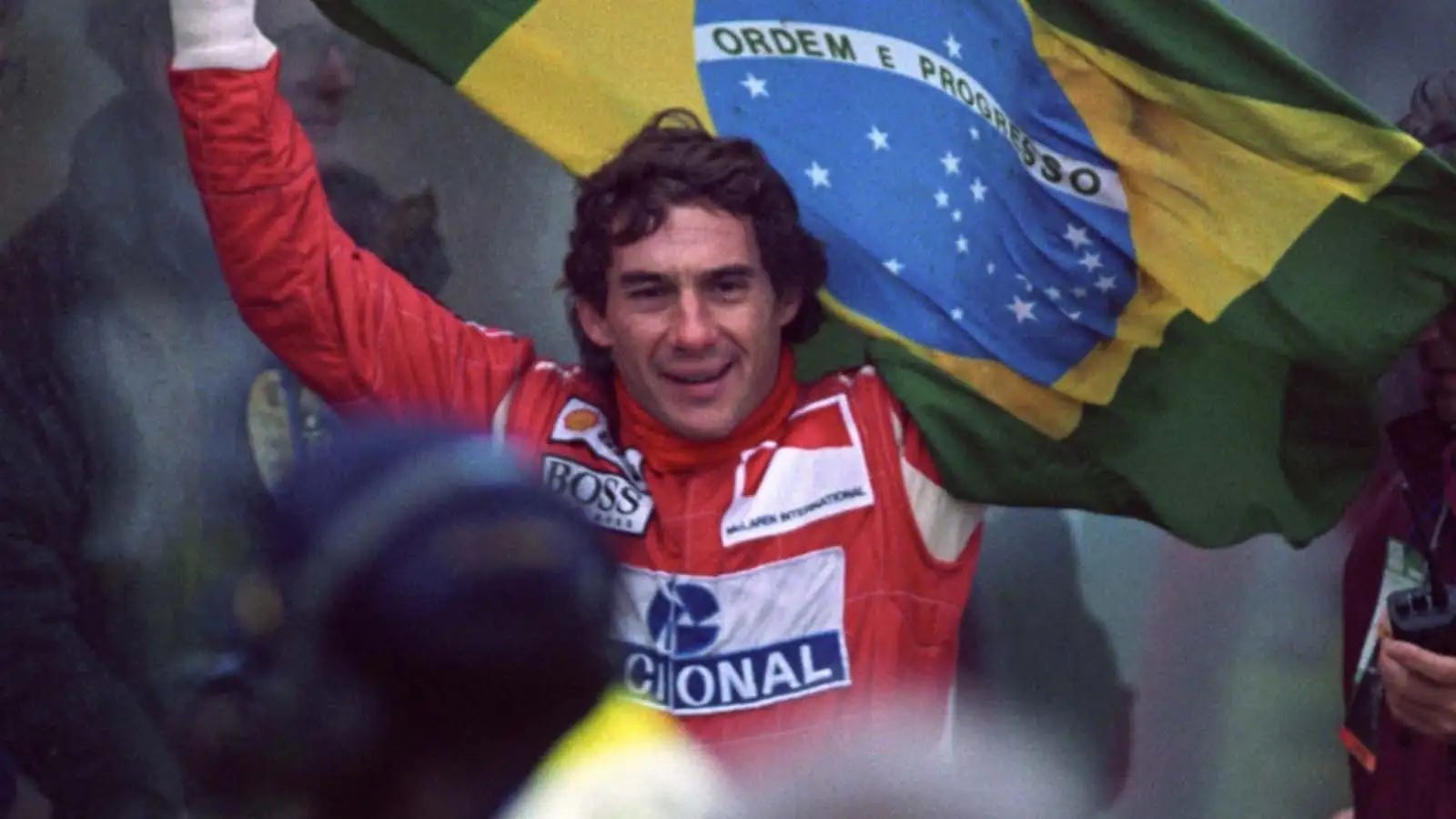
In Brazil, almost everyone remembers where they were when Ayrton Senna died.
I was at home. Books spread across the dining table. Studying for an engineering exam. A cloudy, chilly morning.
My father shouted from the TV room.
“You have to see this.”
I remember his voice more clearly than the screen.
That memory hasn’t faded.
Not because it’s accurate — but because it mattered.
Long Tail
On September 11, 2001, I was living in New York.
That morning, my roommate shouted from the other room.
“Hey man, that airplane passed really close to our window.”
I told him we were late for class.
“Come on,” I said. “Let’s run.”
We did.
History was happening above us, and we were worried about being late.
For years, that day was impossible to forget. It filled newspapers, anniversaries, conversations. We all became experts overnight.
And then, slowly, it faded.
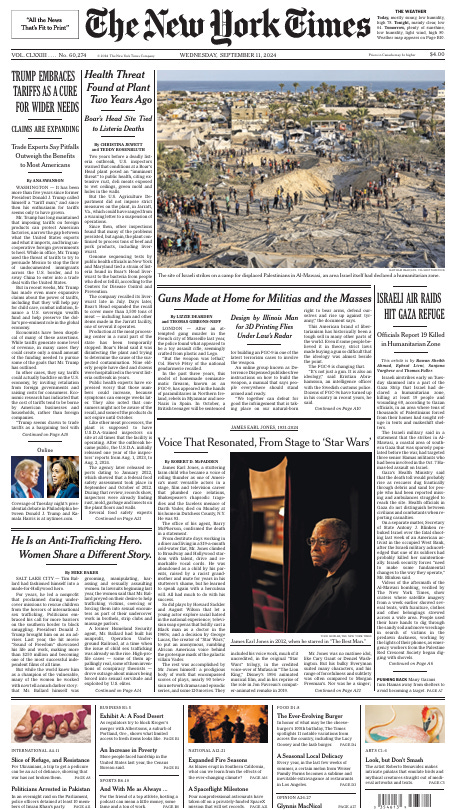
Last year, it barely made the front page of NYT.
Not because it stopped mattering — but because memory, even collective memory, has a long tail.
Lapse
On rushed mornings, I still forget whether I turned off the toaster.
I drive three blocks. Turn around. Check.
Always off.
A robot would never do this.
But it would also never feel the quiet relief of seeing it cold — proof that memory can still be trusted.
Aging
Memory fades.
Sometimes gently. Sometimes cruelly.
With age, it degrades. Dementia doesn’t just erase facts — it dissolves identity. There are already tens of millions living with it, and many more will follow.
Robots won’t suffer this.
We’ll back them up. Restore them. Replace parts.
They may even help us remember.
But they will never know what it is to lose memory — and still be human.
What´s in for us
AI will soon have infinite context windows.
But I don’t want one.
I want the panic in a pub.
The shrinking pool.
My father’s voice.
The morning we ran to class.
The cold toaster.
Because forgetting — inconvenient, unfair, terrifying as it can be — is also how meaning survives.
And that, for now, is something only humans get to remember.
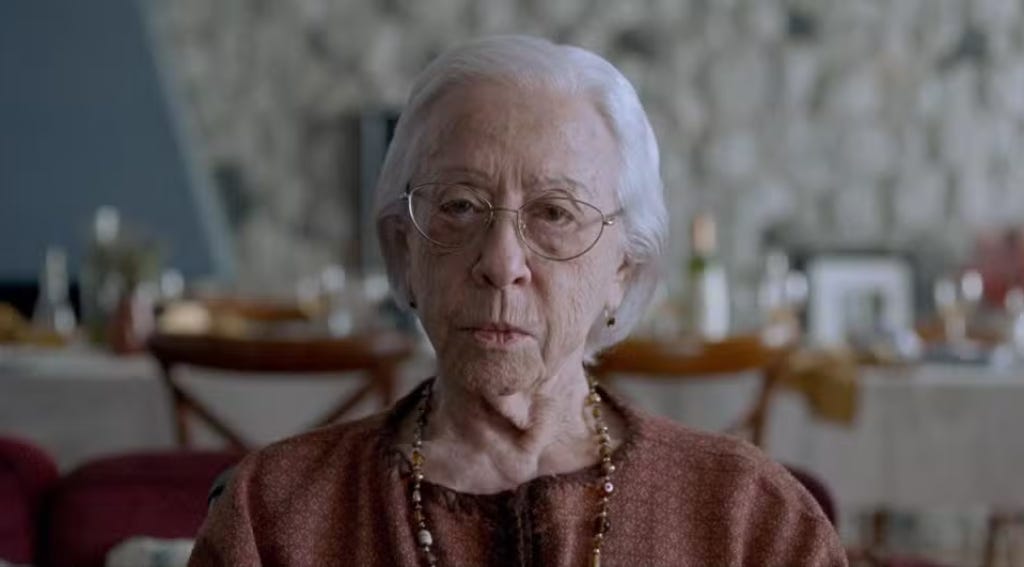
I am Still Here (2024)
If one actress could have won an Oscar for supporting actress, that would have to be Fernanda Montenegro. This scene says it all!